Investigate the Extensive Services Delivered by CGCs in the Building Sector.
Building contractors are crucial in the construction industry, offering a range of services that address every phase of a project. Their knowledge extends from early design and planning to strong project execution and meeting safety rules. Hickory top rated Commercial General Contractor. By managing diverse subcontractors and ensuring quality control, they aim to meet both budgetary constraints and schedules. This detailed strategy raises important questions about the effect of their methods on project success and client satisfaction
Defining the Function of Commercial General Contractors
Even though the construction field covers a number of functions, general contractors are fundamentally important in overseeing and managing construction projects. They are responsible for guaranteeing that projects adhere to design specifications, budgets, and schedules. CGCs coordinate various subcontractors, such as plumbers, carpenters, and electricians, to ensure that all aspects of the construction process run smoothly.
In addition, they must securing necessary permits and making certain they comply with local local codes and rules. This role requires a profound knowledge of construction practices, as well as strong leadership and interpersonal skills. General contractors are the chief liaison for clients, handling issues and providing updates throughout the project’s duration. Their skill in overcoming obstacles while maintaining quality standards is vital to the successful completion of construction undertakings, thereby enhancing the effectiveness and performance of the industry as a whole.
Project Management and Coordination

Coordination and project oversight are essential elements for the project success supervised by commercial general contractors. Effective communication strategies, resource management techniques, and deadline management practices play a pivotal role in making sure projects are delivered on time and within financial limits - Hickory top rated Commercial General Contractor. By mastering these elements, contractors can enhance collaboration among stakeholders and improve project success
Strong Communication Methods
Strong communication techniques are critically important in the success of construction projects, as they make sure that all stakeholders are in agreement and aware throughout the process. Open lines of communication promote cooperation among architects, engineers, subcontractors, and clients, guaranteeing all parties know project requirements and deadlines. Routine gatherings and information sharing help identify potential issues early, allowing for timely problem-solving. Using up-to-date communication platforms, for example, PM software and smartphone applications, enhances information sharing and keeps stakeholders in touch. Furthermore, creating an environment of candid discussion encourages feedback and promotes transparency, which can lead to improved decision-making. Finally, successful communication approaches contribute to smoother project execution and greater contentment among stakeholders in the construction industry.
Strategies for Allocating Resources
Resource distribution strategies are vital for achieving successful project implementation, making certain materials, manpower, and gear are used effectively. Effective resource allocation involves evaluating project requirements and aligning them with available resources, which contributes to lowering waste and enhancing performance. Project leaders implement different tactics, such as prioritizing tasks based on urgency and resource availability, to assign resources productively. Additionally, employing software tools for tracking resource use boosts judgment and responsiveness. Regular evaluations of resource allocation assist in recognizing forthcoming obstacles and sectors requiring optimization, making rapid changes possible. Through applying these methods, construction firms can preserve project velocity, regulate spending, and finally meet project objectives according to the defined limits.
Methods for Schedule Control
Controlling schedules in building projects demands careful foresight and synchronization to guarantee that each phase of the project progresses smoothly. Building project managers employ diverse scheduling methods to improve effectiveness and ensure projects finish on time. These techniques cover drafting elaborate timetables, leveraging project tracking technology, and performing routine advancement evaluations. Through establishing precise due dates and benchmarks, contractors can effectively monitor advancements and address potential delays promptly. Additionally, they establish communication protocols between sub-trades, vendors, and interested parties to facilitate information flow and avert confusion. Preemptive danger assessment strategies additionally assist in sticking to the timeline, allowing for adjustments in response to unforeseen challenges. Finally, proper deadline oversight is vital for accomplishing project aims and keeping clients happy in the competitive construction industry.
Services for Design and Preparation
Design and planning services form crucial parts of the construction process, centering on productive concept development tactics. Such strategies help ensure that project visions align with real-world execution, while architectural coordination processes foster easy cooperation among stakeholders. By prioritizing these elements, commercial general contractors can boost project success and efficiency.
Concept Development Methods
Although the success of a construction project is often determined by its initial concept, efficient concept development methods are crucial for transforming ideas into actionable plans. These strategies involve a systematic approach including thorough research, engaging stakeholders, and feasibility assessments. By working closely with clients and stakeholders, commercial general contractors are able to determine project goals and limitations in the initial stages. This collaboration fosters innovation and also ensures compliance with budgetary and regulatory requirements. Additionally, visualizations and prototypes are utilized to refine concepts, allowing for adjustments before substantial capital is committed. In the end, successful concept development strategies not only streamline the shift from vision to reality but also mitigate potential challenges, establishing the foundation for a successful construction project.
Architectural Coordination Efforts
Efficient architectural coordination methods are essential for the successful execution of construction projects. These processes involve careful collaboration among architects, engineers, and contractors to guarantee that the design vision is accurately transformed into tangible structures. Commercial general contractors play a pivotal role in improving communication and aligning project goals. Contractors manage the incorporation of various design elements, handling potential discover the facts issues at the start of the planning phase. This proactive approach minimizes expensive delays and rework, fostering a smoother workflow. Furthermore, strong architectural coordination guarantees adherence to local regulations and building codes, boosting project success. By streamlining design revisions and maximizing resource use, these efforts help improve the overall efficiency and quality of construction outcomes, providing projects that satisfy client expectations and standards.
Financial Oversight and Budgeting
Budgeting and financial oversight are critical components of successful construction projects, guaranteeing that resources are allocated efficiently and expenditures stay within established limits. General contractors are crucial in this aspect by precisely creating budgets that reflect the full scope of the project, covering materials, labor, and unexpected costs. Their expertise allows for accurate forecasting, which is key to preventing budget excesses and securing economic success.
Beyond this, general contractors implement rigorous financial monitoring throughout the project lifecycle. Contractors monitor expenditures relative to the budget, modifying resource distribution when needed to handle shifts in the project's requirements or surprise expenditures. This proactive management not only safeguards the project's financial health but also encourages clear reporting with stakeholders about the budget's standing. By employing detailed reports and consistent communication, general contractors make certain all stakeholders are aware, thus building confidence and partnership throughout the construction process.
Quality Control and Safety Compliance
Adherence to quality and safety standards are critical concerns in the construction industry, ensuring that projects meet established standards while preserving the health and security of all workers involved. General contractors establish rigorous quality control measures by performing routine check-ups, verifying supplies, and verifying adherence to specifications. This approach aids in detecting issues promptly, minimizing expensive corrections and hold-ups.
Adhering to safety rules is just as vital; contractors comply with OSHA standards and industry best practices to foster a safe job site. This encompasses supplying necessary education, required safety gear, and ensuring open dialogue regarding safety protocols.
Support and Services After Construction
After the building phase concludes, commercial general contractors provide essential post-construction services and support to ensure the project still satisfies client requirements. These services often include comprehensive site reviews to check that standards are met and local regulations. Contractors may also engage in warranty management, dealing with defects that surface after the project handover.
Additionally, they offer maintenance services, assisting owners with facility maintenance to extend its useful life and ensure full operation. Staff training on new equipment and installed systems can also be provided to boost day-to-day effectiveness.
Moreover, general contractors often help with project closeout documentation, ensuring that all relevant information is organized and available for future reference. This ongoing support establishes a lasting relationship between contractors and clients, promoting confidence and contentment while promoting accountability in the construction process. Overall, post-completion support are essential in the project's future viability.
Frequently Asked Questions
Which Kinds of Developments Do CGTs Usually Manage?
Construction managers typically handle a wide array of jobs, like corporate facilities, retail spaces, manufacturing plants, healthcare centers, educational institutions, and residential complexes, guaranteeing all projects satisfy sector benchmarks and owner demands efficiently.
How Should I Select the Ideal General Contractor for My Development?
To choose the ideal CGT, you must assess their track record, ask for testimonials, evaluate their fiscal health, review past projects, and guarantee clear communication regarding timelines and financial plans for effective project management.
What Difficulties That Arise During Development?
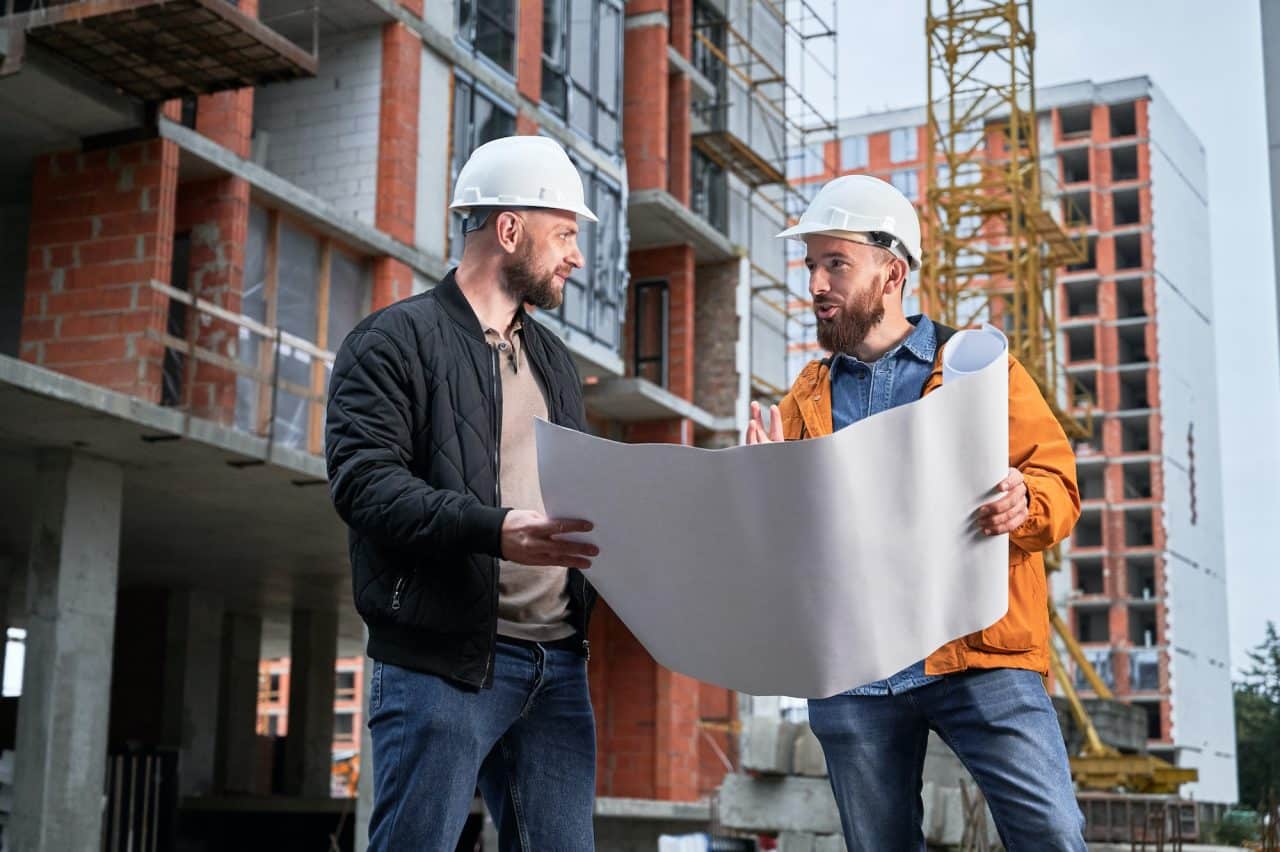
Common challenges faced during construction projects are cost escalations, timeline setbacks, labor shortages, adherence to rules, unexpected site conditions, and breakdowns in dialogue among the team members. These challenges typically impede the building process and might cause greater financial outlay and longer durations.
How Do Contractors Ensure Compliance To Regional Construction Regulations?
Firms maintain conformity to regional construction regulations by carefully studying the rules, performing frequent checks, working closely with municipal bodies, and preserving comprehensive paperwork during the entire build phase to reduce potential hazards and adhere to safety standards.
What Coverage or Safeguards Do Builders Typically Offer Once the Job is Finished?
Builders usually offer guarantees covering workmanship and materials, which may extend from one to ten years. Warranties usually entail repairs for defects, ensuring clients receive a guarantee of standard and peace of mind after the job is done.